
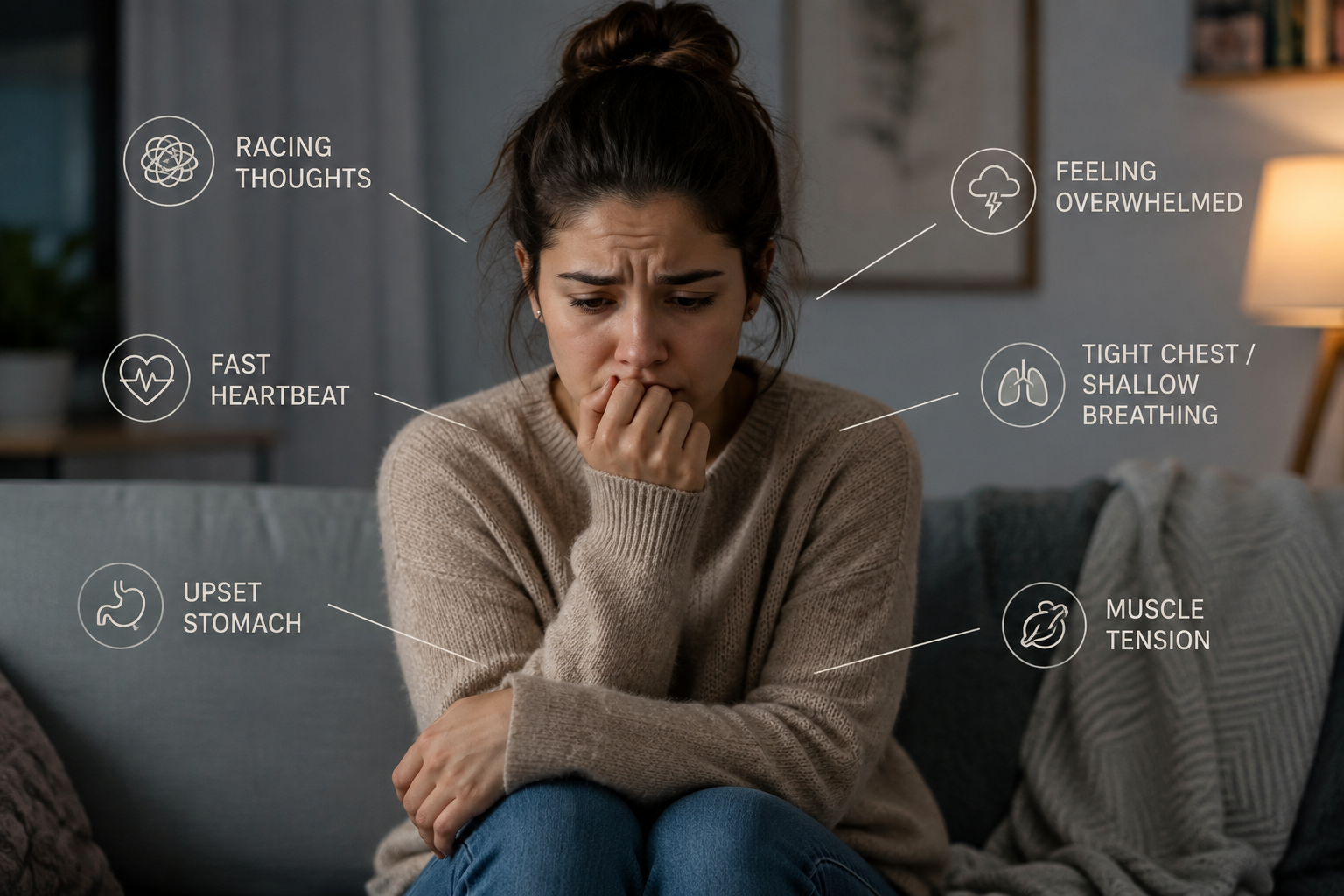
Why You Can’t Think Your Way Out of Anxiety: Calm the Body Before the Brain
Have you ever known logically that you're okay, but your body doesn't seem to believe you? Maybe your heart is racing. Your thoughts won't slow down. You're irritable, restless, frozen, or unable to focus. Someone tells you to "calm down" or reminds you that everything is fine—but it doesn't help. [read more]

Emotional Eating: It’s Not About Food. It’s About the Need.
Emotional Eating: It's Not About Food. It's About the Need. By Diane (Brumfield) Darling, M.Ed., LCPC-S, NCCCrystal Waters Counseling Centers | Columbia & White Marsh, Maryland Have you ever found yourself standing in front of the pantry even though you weren't physically hungry? Maybe you've had a stressful day at [read more]
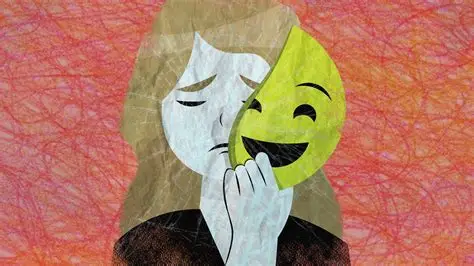
Fawn Response and People-Pleasing: Trauma’s Hidden Survival Mechanism
What Is the Fawn Trauma Response? The fawn trauma response is a survival mechanism that develops in response to trauma, especially relational trauma. Unlike fight, flight, or freeze, the fawn response focuses on pleasing others to avoid conflict or danger. People with a fawn response often: Prioritize others’ needs over [read more]
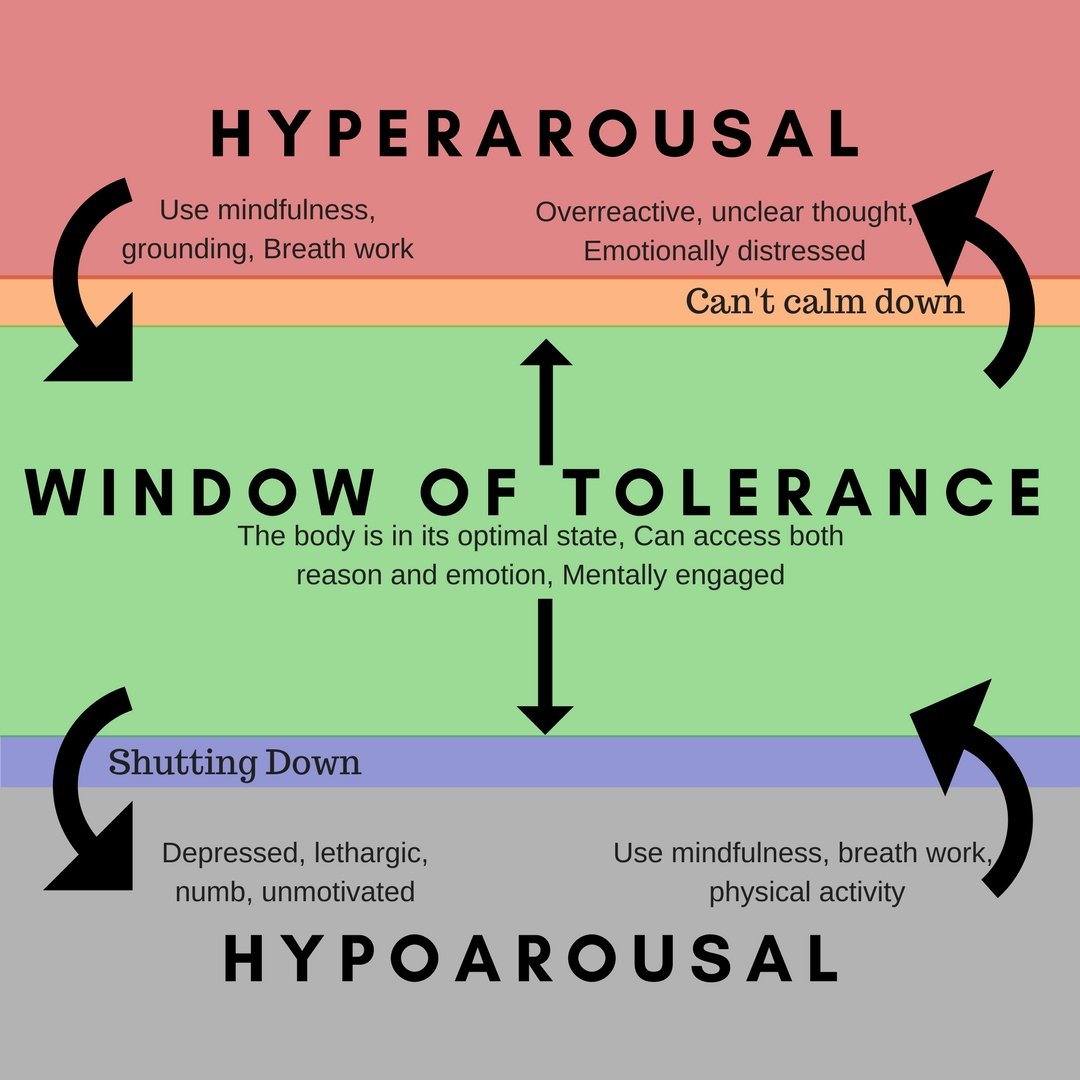
What Is the Window of Tolerance? How Trauma Affects Emotional Regulation
Understanding the Window of Tolerance and Trauma When people ask “what is the window of tolerance?” they often notice that their emotions feel overwhelming or shut down. The window of tolerance is a term coined by psychiatrist Dan Siegel. It describes the range of emotional states where a person can: [read more]

What Is Trauma? Understanding How Trauma Affects the Nervous System
When people ask, how trauma affects the nervous system, they are usually searching for answers to why their body feels “off” even when life seems safe. Trauma is not just the event—it is the body’s response to that event. The nervous system changes the way it is functioning, often long [read more]
Helping Teens Cope With Big Emotions: Emotional Regulation in Teens
Big emotions are a normal part of being a teenager. Teens may feel overwhelmed, frustrated, embarrassed, or angry—and those feelings can sometimes lead to emotional meltdowns. For parents, it can be hard to know what’s normal, what’s concerning, and how to help without making things worse. Understanding emotional regulation in [read more]