


Being a teenager can feel like a lot — even on good days.
There’s school pressure, friendships, family expectations, social media, and the constant feeling that you’re supposed to be figuring out your future right now. When emotions start feeling heavier or harder to manage, many teens and parents ask the same question:
Is this normal stress — or something more?
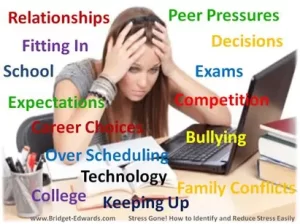
Stress, anxiety, and depression can look very similar in teens. Mood changes, irritability, shutdowns, and overwhelm are common. But they aren’t the same, and knowing the difference helps families respond in supportive ways instead of guessing or minimizing what’s going on.
This guide breaks it down in a clear, compassionate way — so you don’t have to figure it out alone.
Understanding Stress, Anxiety, and Depression in Teens
Teen brains are still developing, especially the parts responsible for emotional regulation, impulse control, and decision-making. Big feelings come faster, last longer, and feel harder to manage than they do for adults.
Add academic pressure, social comparison, and constant screen exposure, and emotional overload becomes very real.
Many teens today are also absorbing stress from what they see online — news, social media, and nonstop content. (We talk more about this in our blog on teen screen time and mental health:
👉 /teen-screen-time-mental-health)
Big emotions don’t automatically mean something is wrong — but patterns matter.
What Stress Looks Like in Teens
Stress is a response to pressure. It usually has a clear cause and improves when the situation changes.
Common Signs of Stress
-
Feeling overwhelmed before tests or deadlines

-
Short-term irritability or moodiness
-
Trouble sleeping during busy weeks
-
Headaches or stomachaches
-
Feeling better once the stressful event passes
Stress can even be motivating in small doses. It becomes a concern when it’s constant or starts interfering with daily life.
Ask yourself:
Does this improve once the pressure passes?
If yes, it’s likely stress.
What Anxiety Looks Like in Teens
Anxiety is different. It’s not just about what’s happening — it’s about what might happen.
Teens with anxiety often live in “what if” mode. Even when things are okay, their body feels on edge.
Common Signs of Anxiety
-
Constant worry or overthinking
-
Avoiding school, social events, or activities
-
Racing heart, nausea, or shortness of breath
-
Trouble relaxing or concentrating
-
Feeling tense even during calm moments
Anxiety often overlaps with emotional dysregulation — when emotions escalate quickly and feel hard to control. You can learn more about this in our post on teen mood swings:
👉 /teen-mood-swings
Ask yourself:
Is fear or worry driving behavior, even when there’s no immediate danger?
What Depression Looks Like in Teens
Depression isn’t just sadness. It often looks like disconnection, exhaustion, or irritability.
Common Signs of Depression
-
Persistent low mood or emotional numbness
-
Loss of interest in things they used to enjoy
-
Pulling away from friends or family
-
Changes in sleep or appetite
-
Feelings of hopelessness or worthlessness
Depression tends to last longer than stress and doesn’t improve with reassurance alone.
Ask yourself:
Has this mood been present most days for weeks or longer?
If yes, it’s time to seek support.
Why Stress, Anxiety, and Depression Can Look So Similar
Stress, anxiety, and depression often overlap — and teens may experience more than one at the same time.
-
Ongoing stress can turn into anxiety
-
Anxiety can lead to depression
-
Depression can make everyday stress feel impossible
That’s why looking at duration, intensity, and impact on daily life matters more than labeling feelings quickly.
When It’s Time to Get Extra Support
Consider reaching out for help if your teen: 
-
Is missing school or falling behind
-
Has frequent emotional outbursts or shutdowns
-
Is isolating more than usual
-
Talks about feeling hopeless
-
Feels “not themselves” for weeks at a time
Therapy isn’t about labeling — it’s about helping teens feel supported, understood, and equipped with skills that actually work.
At Crystal Waters Counseling Centers, teen therapy focuses on emotional regulation, coping skills, and helping teens feel safe talking about what’s really going on.
👉 /teen-therapy
How Teen Therapy Can Help
Teens don’t want to be fixed. They want to be heard.
Helpful approaches include:
-
Listening without jumping to solutions
-
Validating feelings before offering advice
-
Keeping routines steady
-
Reducing screen overload during stressful times
-
Encouraging support without forcing it
Sometimes the most helpful thing a parent can say is:
“I’m here. We’ll figure this out together.”
You’re Not Overreacting — and You’re Not Alone
Teen emotions can be intense and confusing — for teens and parents. Understanding the difference between stress, anxiety, and depression is a powerful first step.
Support doesn’t mean something is wrong.
It means you’re paying attention.
And that matters.
For Extra Help, Reach Out!
If you want to get additional support then we can help. Our therapists are here to help you. We can help them learn valuable skills that will help them cope in healthy ways throughout their life. Follow these steps to get started.
- Reach out for a free consultation at our therapy practice
- Schedule your first appointment for therapy
- Then, learn how to navigate symptoms of anxiety, work through stressors and improve your overall quality of life
Other Therapy Services We Offer in Maryland & the Washington DC Area
At Crystal Waters Counseling Centers we offer a variety of in-person and online therapy services. Specifically, they are available for children, teens, college students, women, and adults throughout Maryland. In addition, this includes counseling for both anxiety and depression as well as EMDR Therapy, therapy for life transitions, and parent coaching.
Written by Diane Brumfield, M.Ed, LCPC-S, NCC – Clinical Director of Crystal Waters Counseling Centers, where she specializes in anxiety counseling, stress management, and trauma-informed somatic therapy.