Introduction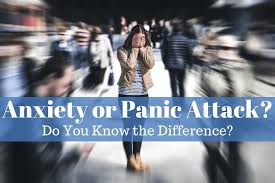
If you’ve ever experienced a racing heartbeat, sweaty palms, or overwhelming fear, you may have asked yourself: Was that an anxiety attack or a panic attack? These two terms are often used interchangeably, but they’re not the same thing. Both can feel frightening and disruptive, yet they differ in how they start, how long they last, and how they affect your body and mind.
Knowing the difference matters — especially when it comes to treatment. What works for ongoing worry may not be as effective for sudden, intense panic. That’s where anxiety therapy comes in. By understanding whether you’re dealing with anxiety attacks, panic attacks, or both, you and your therapist can choose the right strategies to help you feel calmer and more in control.
At Crystal Waters Counseling Centers, we specialize in treating anxiety and panic in children, teens, and adults across Maryland. In this guide, we’ll explore the differences between anxiety attacks and panic attacks, how they affect your life, and how therapy can help you manage both.
What Is an Anxiety Attack?
The term “anxiety attack” isn’t officially recognized in the Diagnostic and Statistical Manual of Mental Disorders (DSM-5), but it’s commonly used to describe intense episodes of anxiety. These attacks build gradually in response to a stressor, and symptoms may linger for hours or even days.
Symptoms of Anxiety Attacks
-
Persistent worry or rumination
-
Restlessness or irritability
-
Muscle tension or fatigue
-
Racing heartbeat
-
Upset stomach or digestive issues
-
Difficulty concentrating
-
Trouble sleeping
Common Triggers
-
Work or academic stress
-
Relationship conflicts
-
Financial concerns
-
Health worries
-
Social interactions or fear of judgment
Imagine a high school student preparing for final exams. Over time, their worry builds: “What if I fail? What if I disappoint my parents?” They might feel restless, have trouble focusing, and experience an upset stomach. This slow build-up of anxiety, tied to a specific stressor, is what many people call an anxiety attack.
👉 If ongoing anxiety is interfering with your daily life, anxiety counseling at Crystal Waters Counseling Centers can help you manage symptoms and find relief.
What Is a Panic Attack?
Unlike anxiety attacks, panic attacks are a clinical phenomenon recognized in the DSM-5. They are sudden, intense episodes of fear or discomfort that peak quickly, often within 10 minutes, and may feel like a medical emergency.
Symptoms of Panic Attacks
-
Pounding or racing heart
-
Chest pain or discomfort
-
Trembling or shaking
-
Shortness of breath or choking sensations
-
Sweating, chills, or hot flashes
-
Dizziness or faintness
-
Nausea or abdominal distress
-
Feeling detached from reality (depersonalization or derealization)
-
Fear of losing control or dying
How Panic Attacks Happen
Picture someone at the grocery store. Out of nowhere, their heart starts pounding, their chest feels tight, and they’re overcome with the feeling that something terrible is about to happen. Within minutes, they’re sweating, trembling, and struggling to breathe. Even though the situation isn’t dangerous, the body reacts as though it’s in immediate peril.
👉 Frequent panic attacks can feel overwhelming — but therapy can help. Our anxiety counseling services include tools to reduce panic and restore calm.
Anxiety Attacks vs. Panic Attacks: Key Differences
While they share some overlapping symptoms, anxiety attacks and panic attacks are different experiences.
| Feature | Anxiety Attack | Panic Attack |
|---|---|---|
| Onset | Gradual build-up in response to stress | Sudden and unexpected, may occur without a trigger |
| Duration | Can last hours or days | Peaks within 10 minutes, resolves within ~30 minutes |
| Triggers | Linked to ongoing stressors or worry | Can happen with or without a trigger |
| Symptoms | More mental (worry, tension, restlessness) | More physical (chest pain, trembling, shortness of breath) |
| Perception | Feels like overwhelming stress | Often mistaken for a heart attack or medical crisis |
The Science Behind Anxiety Therapy and Panic Attacks
Anxiety in the Brain
Anxiety activates the amygdala, the brain’s fear center. The amygdala signals the body to stay on high alert, releasing stress hormones like cortisol. Over time, chronic activation can make the nervous system overly sensitive to stress.
Panic in the Nervous System
Panic attacks are linked to sudden surges of adrenaline, part of the fight-or-flight response. This surge causes rapid heartbeat, shallow breathing, and dizziness — sensations the brain interprets as danger.
How Anxiety Therapy Helps
Anxiety therapy works by calming the nervous system and retraining thought patterns. Techniques like Cognitive Behavioral Therapy (CBT), exposure therapy, and mindfulness-based approaches help the brain rewire itself, reducing both anxiety attacks and panic attacks.
The Daily Impact of Anxiety Attacks
-
Trouble focusing at work or school
-
Irritability in relationships
-
Physical exhaustion from constant tension
-
Avoidance of stressful situations
-
Sleep disturbances
For parents, watching a child struggle with anxiety can be especially painful. That’s why we provide both teen therapy and parent resources to support the whole family.
The Daily Impact of Panic Attacks
-
Fear of having another attack (anticipatory anxiety)
-
Avoidance of places where attacks occurred
-
Difficulty driving, traveling, or being in public spaces
-
Risk of developing agoraphobia (fear of leaving safe spaces)
-
Strain on work, school, and relationships
Treatment Options for Anxiety and Panic
1. Cognitive Behavioral Therapy (CBT)
CBT helps identify unhelpful thought patterns and replace them with healthier ways of thinking.
2. Exposure Therapy
Particularly effective for panic attacks, exposure therapy gradually desensitizes the body’s fear response.
3. Somatic and Mind-Body Practices
Breathing exercises, grounding, and progressive muscle relaxation calm the nervous system.
4. Medication Support
Antidepressants (SSRIs) and anti-anxiety medications may be helpful in some cases.
5. Lifestyle Adjustments
-
Exercise regularly
-
Maintain a balanced diet
-
Prioritize sleep
-
Limit caffeine and alcohol
👉 At Crystal Waters Counseling Centers, we use a holistic approach — combining therapy, coping skills, and lifestyle strategies to help clients overcome anxiety and panic.
Coping Strategies You Can Use Today
For Anxiety Attacks
-
Journaling to release racing thoughts
-
Breaking tasks into manageable steps
-
Practicing mindfulness meditation
-
Talking with a supportive friend or therapist
For Panic Attacks
-
Box breathing: Inhale for 4, hold for 4, exhale for 4, hold for 4
-
Grounding exercise: Notice 5 things you can see, 4 you can touch, 3 you can hear, 2 you can smell, and 1 you can taste
-
Repeating calming phrases like: “This will pass. I am safe.”
FAQs About Anxiety Therapy and Panic Attacks
1. Can anxiety therapy help with both anxiety attacks and panic attacks?
Yes. Anxiety therapy is highly effective for both. Therapists use tailored approaches based on your symptoms.
2. Are panic attacks dangerous?
They feel frightening but aren’t life-threatening. Still, because symptoms mimic heart problems, it’s wise to consult a doctor to rule out medical issues.
3. Do children and teens experience panic attacks?
Yes. Stress, academic pressure, and social fears can trigger panic in kids and teens. Our teen therapy services provide support for young people facing these challenges.
4. How do I know if I need therapy?
If anxiety or panic interferes with daily life, relationships, or overall well-being, anxiety therapy can provide tools for relief.
5. Will therapy also help with depression or stress?
Yes. Anxiety therapy often improves mood, resilience, and stress management as well.
Why Seek Professional Help?
Without support, anxiety attacks may become more frequent, and panic attacks can escalate into panic disorder or agoraphobia. Therapy helps prevent this cycle, teaching you coping strategies that not only manage symptoms but also promote long-term healing.
Conclusion
While both anxiety attacks and panic attacks can feel overwhelming, they differ in onset, duration, and intensity. Anxiety attacks usually build gradually in response to stress, while panic attacks are sudden, intense, and often mistaken for a medical emergency.
The good news? Both are treatable. With the right anxiety therapy, you can learn to manage symptoms, reduce fear, and reclaim your sense of calm.
👉 If you’re struggling with anxiety or panic in Baltimore, White Marsh, or throughout Maryland, reach out to Crystal Waters Counseling Centers today. Our compassionate therapists are here to support you every step of the way.

Start Therapy for Anxiety in in Baltimore, MD
If you are wanting to get support to help reduce your love one or child’s anxiety then we can help. Our therapists specialize in treating anxiety. We can help them learn valuable skills that will help them cope with stress and anxiety in healthy ways throughout their life. In order to get started follow these steps:
- Reach out for a free consultation at our therapy practice
- Schedule your first appointment for therapy
- Watch as your child learns how to navigate their fears and anxiety
Other Therapy Services We Offer in Maryland & the Washington DC Area
At Crystal Waters Counseling Centers we offer a variety of in-person and online therapy services. They are available for children, teens, college students, women, and adults throughout Maryland. This includes counseling for both anxiety and depression. As well as EMDR Therapy, therapy for life transitions, and parent coaching.
Written by Diane Brumfield, M.Ed, LCPC-S, NCC – Clinical Director of Crystal Waters Counseling Centers, where she specializes in anxiety counseling, stress management, and trauma-informed somatic therapy.