

Social anxiety in children and teens can be difficult to manage, especially because the majority of their day is spent around peers. From school and sports to extracurricular activities and digital social platforms, the social demands placed on youth are constant and often overwhelming. For children and teens who find these interactions difficult, anxiety may become significant and disruptive to their overall daily functioning. When not addressed, social anxiety can intensify and interfere with emotional, social, and academic development.

At Crystal Waters Counseling Centers, we specialize in child therapy and anxiety therapy to help young people find relief, build resilience, and reconnect with their potential.
What Is Social Anxiety Disorder?
Social anxiety disorder (SAD) is more than just shyness or occasional nervousness in social settings. It is an intense, persistent fear of being judged, embarrassed, or negatively evaluated in social or performance situations. This fear can be so overwhelming that children and teens may avoid social activities altogether or endure them with significant distress.
According to the National Institute of Mental Health, social anxiety disorder affects about 15 million American adults, and symptoms often begin in childhood or adolescence. It is the second most commonly diagnosed anxiety disorder after specific phobias. Left untreated, it can persist into adulthood, impacting a person’s relationships, educational goals, and career achievements.
Children and teens with untreated social anxiety often internalize their fears, leading to difficulty forming healthy friendships, struggling to speak in class, and avoiding group activities. These patterns, if reinforced over time, can create a cycle of isolation and academic underperformance.
How Social Anxiety Manifests in Children and Teens
Symptoms of social anxiety vary by age and personality but often include:
- Fear of speaking in class or in front of others
- Avoidance of eye contact
- Excessive worry about being judged or humiliated
- Physical symptoms like stomachaches, sweating, trembling, or nausea
- Difficulty participating in group activities
- Negative self-talk or self-criticism
- Isolation from peers
- Meltdowns or resistance to school
- Trouble initiating or maintaining conversations
Social anxiety can also lead to academic struggles and lower self-esteem, which can spiral into depression if not addressed through timely and targeted child therapy.
What Causes Social Anxiety in Children and Teens?
The development of social anxiety is complex and may stem from a variety of factors, including:
- Genetics: Children may inherit a tendency toward anxiety from one or both parents. If family members have struggled with anxiety, there’s a higher likelihood children may experience similar symptoms.
- Environmental Influences: High-stress environments, a lack of structure, or chaotic household dynamics can heighten anxiety. Children need consistency and safety to thrive.
- Stressful Life Events: Bullying, family separation, academic failures, or trauma can trigger or exacerbate social anxiety. Even single incidents—such as being laughed at in class—can shape a child’s perception of social situations.
- Personality and Temperament: Shy, introverted, or sensitive children may naturally find social interaction more draining or intimidating.
- Parenting Style: Overprotective parenting may reinforce the belief that the world is dangerous. Alternatively, critical or emotionally distant parenting can make children feel unsure or unworthy.
- Media and Social Pressures: The comparison culture created by social media can deepen fears of being judged, rejected, or ridiculed.
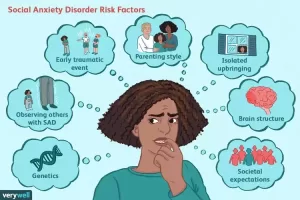
At Crystal Waters Counseling Centers, our experienced therapists work closely with families to identify the root causes of anxiety and craft personalized anxiety therapy interventions that support healing and growth.
How Child Therapy Helps with Social Anxiety
Child therapy provides a safe, supportive space where children and teens can express their thoughts and learn to manage their anxiety. Therapy empowers them to understand the origin of their fears and learn practical tools for facing them.
Our specialized anxiety therapy approach includes:
- Cognitive Behavioral Therapy (CBT): Restructures harmful thought patterns.
- Exposure and Response Prevention (ERP): Gradual, supported exposure to feared social situations.
- Play Therapy: Helps younger children express and resolve internal struggles.
- Somatic Techniques: Movement and body-based tools to regulate the nervous system.
- Group Therapy: Encourages practice of social skills in a safe space.
- Social Skills Training: Builds confidence in initiating and maintaining relationships.
- Parent Coaching: Guides caregivers in creating a supportive, anxiety-reducing home.
Child therapy helps reduce avoidance, empower emotional expression, and improve daily functioning. Most importantly, it shows your child they’re not alone.
School Strategies for Managing Social Anxiety
Since children spend most of their time in school, collaboration with educators is essential.
- Advocate for Accommodations: A 504 Plan or IEP can include accommodations like extended test time, reduced presentation requirements, or access to quiet spaces.
- Communicate with Staff: Partner with school counselors and teachers to create a supportive environment.
- Encourage Safe Exposure: Help your child ease into participation—raising their hand once per day or joining one small club.
- Build Routines Around Transitions: Mornings can be tough for anxious kids. Establish consistent rituals to reduce stress.
- Practice Role-Playing: Rehearsing social scenarios at home builds confidence for real-life situations.
Parent Strategies at Home
- Normalize Feelings: Let your child know anxiety is common and treatable.
- Model Calm Behavior: Children mirror adult responses. Practice your own anxiety-reducing techniques.
- Set Realistic Goals: Start with manageable steps, like saying hi to a peer or attending part of a social event.
- Praise Effort: Focus on what they tried, not just success.
- Maintain Healthy Habits: Ensure regular sleep, balanced meals, and downtime to decompress.
- Limit Social Media: Help your child set boundaries with digital engagement, which can increase anxiety.
- Stay Connected: Carve out one-on-one time to talk, even if it’s just a walk together or bedtime check-ins.
Long-Term Benefits of Anxiety Therapy
When children receive support through consistent anxiety therapy, the long-term benefits can be profound:
- Improved communication skills
- Greater emotional regulation
- Increased school participation
- Stronger peer relationships
- Better family dynamics
- Confidence in future transitions (high school, college, adulthood)
When to Seek Professional Help
You don’t need to wait for things to get worse before seeking help. If you notice:
- Your child avoids most social interaction
- They complain of daily physical symptoms (headaches, nausea)
- School refusal or sharp academic decline
- Persistent low self-esteem
- Trouble sleeping
- Mood changes
These may be signs it’s time to consider professional child therapy.
Why Choose Crystal Waters Counseling Centers?
At Crystal Waters Counseling Centers we offer a variety of in-person and online therapy services. They are available for children, teens, college students, women, and adults throughout Maryland. This includes counseling for both anxiety and depression. As well as EMDR Therapy, therapy for life transitions, and parent coaching.
Additional Services We Offer
In addition to anxiety therapy, we also offer:
- Depression counseling
- EMDR therapy for trauma
- Therapy for life transitions
- Parent support and coaching
- College student mental health support
We serve clients throughout Maryland and the Washington D.C. area.
Written by Diane Brumfield, M.Ed, LCPC-S, NCC – Clinical Director of Crystal Waters Counseling Centers, where she specializes in anxiety counseling, stress management, and trauma-informed somatic therapy.