
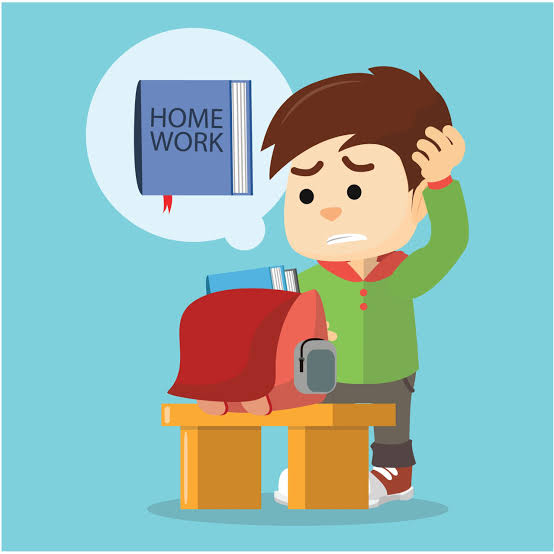
Have you noticed that your child struggles with executive functioning difficulties like forgetting homework, getting stuck on chores, or melting down when routines change? These challenges may not be about effort or intelligence—they may be related to executive functioning.
Executive functioning is a set of brain-based skills that help children manage thoughts, actions, and emotions. These skills allow kids to plan ahead, stay organized, shift between tasks, and regulate feelings. When executive functioning is underdeveloped, children may struggle at school, at home, and in relationships.
At Crystal Waters Counseling Centers, we help families to support children who are struggling. In this guide, we’ll cover what executive functioning is, how it impacts kids, and what parents can do to help.
What Is Executive Functioning?
Executive functioning is often described as the brain’s “management system.” Just like a CEO directs a company, executive functioning directs how we organize, plan, and act in daily life.
Key components of include: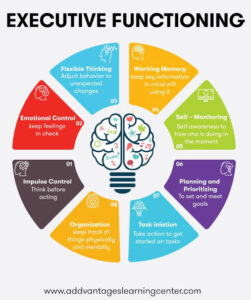
-
Working memory – Holding and using information (like remembering multi-step directions).
-
Inhibitory control – Pausing before acting, resisting distractions, and thinking through choices.
-
Cognitive flexibility – Adjusting when plans change and shifting between activities.
-
Planning and organization – Breaking down big tasks into smaller steps.
-
Task initiation – Starting assignments or chores without endless delays.
-
Self-monitoring – Recognizing mistakes and adjusting behavior.
-
Emotional regulation – Managing frustration, disappointment, or anxiety.
Children don’t master these skills overnight. Executive functioning grows gradually through childhood, adolescence, and into young adulthood.
Executive Functioning at School
School is one of the biggest testing grounds for executive functioning skills. Teachers expect children to manage multiple subjects, follow instructions, and balance assignments.
Signs of Executive Functioning Struggles at School
-
Losing or forgetting homework.
-
Difficulty following multi-step directions.
-
Trouble starting projects without reminders.
-
Becoming overwhelmed during tests.
-
Acting impulsively (blurting out, rushing, or interrupting).
-
Trouble shifting between activities.
Example
Imagine a middle schooler who understands math concepts but consistently misses points for skipping steps. The issue isn’t ability—it’s executive functioning. Without self-monitoring, they rush and overlook errors.
👉 If your child is showing these challenges, counseling may help. Learn more about child therapy at Crystal Waters Counseling Centers.
Executive Functioning at Home
At home, challenges often show up in routines and responsibilities. Parents may notice:
-
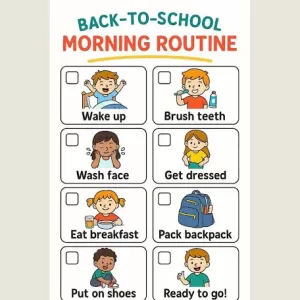
Morning and bedtime chaos – Forgetting steps like brushing teeth or packing a backpack.
-
Chore struggles – Tasks like “clean your room” feel overwhelming.
-
Emotional outbursts – Difficulty handling frustration when routines change.
-
Screen-time conflicts – Trouble turning off devices when asked.
-
Social issues – Struggles with turn-taking or conflict resolution.
Example
A child asked to clean their room may wander, play with a toy, or become frustrated. The problem isn’t unwillingness—it’s that the executive functioning skill of task initiation hasn’t developed enough.
How Executive Functioning Skills Develop
Understanding development helps parents set realistic expectations.
-
Ages 3–5: Early impulse control, simple routines, pretend play.
-
Ages 6–11: Rapid growth in planning, memory, and organization. Kids begin to use lists and reminders.
-
Ages 12–14: Middle school brings increased academic and social demands. Weaknesses become more visible.
-
Ages 15–18: High school requires independence, time management, and self-regulation.
-
Ages 19–25: Executive functioning skills continue to mature into early adulthood.
Conditions Connected to Executive Functioning Challenges
Some children face extra difficulty due to conditions such as:
-
ADHD – Trouble with focus, organization, and self-control. Learn about ADHD counseling »
-
Anxiety disorders – Worry and overwhelm can block planning and follow-through. Explore anxiety counseling »
-
Learning disabilities – Dyslexia or dyscalculia can make organization harder.
-
Autism spectrum disorder – Flexibility, transitions, and emotional regulation may be difficult.
How Parents Can Support at Home
1. Build Predictable Routines
-
Use checklists for morning and bedtime.
-
Create a family calendar for schoolwork and activities.
-
Keep consistent sleep and wake times.
2. Break Tasks Into Steps
Instead of “clean your room,” try:
-
Put dirty clothes in the basket.
-
Put toys in the bin.
-
Make the bed.
3. Use External Supports
-
Timers for homework and breaks.
-
Color-coded folders or binders.
-
Digital reminders and sticky notes.
4. Teach Emotional Regulation
-
Deep breathing exercises.
-
“Pause and count to ten” strategies.
-
Quiet breaks before returning to tasks.
5. Model
Show children your thought process:
“I need to make dinner. First, I’ll check the fridge, then write a list, then shop.”
6. Reinforce Effort and Strengths
Children often hear about their struggles. Balance this with praise for progress and strengths.
7. Partner With Teachers
Work with educators on consistent strategies. Use communication logs or weekly updates.
When to Seek Professional Support
Sometimes parental strategies aren’t enough. If executive functioning difficulties are affecting schoolwork, routines, or your child’s self-esteem, counseling may help.
At Crystal Waters Counseling Centers, we offer:
-
Child therapy to teach coping skills and emotional regulation.
-
ADHD counseling to strengthen focus and organization.
-
Anxiety counseling for children overwhelmed by stress.
We also assist parents in navigating school supports like IEPs and 504 plans.
FAQs
Is poor executive functioning laziness?
No. These challenges are neurological, not motivational.
Can executive functioning improve?
Yes. With maturity, structure, and practice, most children build stronger skills.
Does every child with ADHD struggle with executive functioning?
Most do, but challenges can also occur with anxiety or learning differences.
When should I consider an evaluation?
If difficulties are consistent across school and home and cause significant stress, seek a professional assessment.
Is executive functioning the same as intelligence?
No. Many bright children struggle with organization, impulse control, or task completion.
Key Takeaways
-
Executive functioning is the brain’s management system for planning, memory, and self-control.
-
Weaknesses affect academics, routines, and emotional regulation.
-
Parents can help with structure, modeling, and positive reinforcement.
-
Professional support can provide strategies when challenges persist.
Conclusion
Executive functioning skills play a vital role in helping children succeed academically, socially, and emotionally. When these skills lag, everyday tasks can feel like uphill battles. But with patience, structure, and support, children can strengthen these skills—and families can thrive.
At Crystal Waters Counseling Centers, we specialize in helping children and families navigate these and other such challenges through therapy, parent guidance, and collaboration with schools. If your child is struggling, we’re here to help you build a path forward.
Start Therapy to Help
If you are wanting to get support to help reduce your love one or child’s anxiety then we can help. Our therapists specialize in treating anxiety. We can help them learn valuable skills that will help them cope with stress and anxiety in healthy ways throughout their life. In order to get started follow these steps:
- Reach out for a free consultation at our therapy practice
- Schedule your first appointment for therapy
- Watch as your child learns how to navigate their fears and anxiety
Other Therapy Services We Offer in Maryland
At Crystal Waters Counseling Centers we offer a variety of in-person and online therapy services. They are available for children, teens, college students, women, and adults throughout Maryland. This includes counseling for both anxiety and depression. As well as EMDR Therapy, therapy for life transitions, and parent coaching.
Written by Diane Brumfield, M.Ed, LCPC-S, NCC – Clinical Director of Crystal Waters Counseling Centers, where she specializes in anxiety counseling, stress management, and trauma-informed somatic therapy.