

The mother-child relationship is one of the most formative bonds in human development. When this bond is disrupted—by emotional neglect, criticism, abandonment, or unmet needs—it can lead to what therapists call “mother wounds.” These deep emotional injuries often create ongoing struggles with self-worth, boundaries, and chronic anxiety. Many people find that healing starts when they engage in professional support, such as therapy for anxiety.
While mother wounds are complex and emotionally painful, they also present a powerful opportunity for growth. By understanding how these wounds develop and how they manifest over time, individuals can begin to take steps toward healing. Therapy for anxiety can play a central role in this process, helping clients develop healthier coping mechanisms, challenge negative beliefs, and nurture emotional resilience.

What Are Mother Wounds?
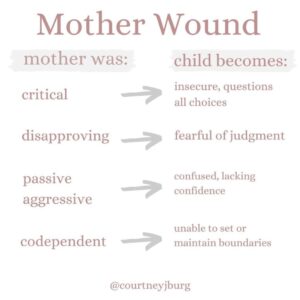
A mother wound refers to the emotional pain or trauma resulting from a strained or unmet maternal relationship. This trauma can stem from overt mistreatment or more subtle emotional disconnects. When emotional needs are consistently ignored, children may internalize feelings of shame, abandonment, or inadequacy.
These feelings often become chronic, leading to persistent worry, self-doubt, and difficulty forming secure relationships. Therapy for anxiety helps unpack these emotional legacies, making space for clients to examine early memories, process suppressed feelings, and shift limiting beliefs.
How Mother Wounds and Anxiety Are Connected
Mother wounds often set the stage for lifelong anxiety. When a caregiver is emotionally inconsistent or unpredictable, children learn to remain hypervigilant. This state of constant alertness becomes the blueprint for adult anxiety disorders.
Individuals who experience mother wounds may notice:
- Chronic overthinking
- Perfectionism
- Fear of abandonment
- Avoidance of conflict or assertiveness
Through therapy for anxiety, clients can learn to identify these patterns, understand their origins, and build new emotional responses rooted in self-trust rather than fear.
Mother Wounds Across the Lifespan
Infancy and Early Childhood (0–5 years)
Attachment forms the foundation of emotional security. When caregivers fail to provide consistent affection or presence, children may develop anxious or avoidant attachment styles.
Signs of anxiety in this stage:
- Difficulty self-soothing
- Separation anxiety
- Excessive crying or withdrawal
Therapeutic approaches include:
- Parent-child interaction therapy
- Somatic-based parenting guidance
- Early childhood therapy for anxiety with an attachment focus
Middle Childhood (6–12 years)
At this stage, children begin to internalize messages about their value. They often seek validation from maternal figures.
Common symptoms:
- Academic pressure and anxiety
- Social isolation
- Emotional shutdown
Therapy for anxiety in children often includes:
- Cognitive restructuring (“I’m not good enough” becomes “I’m doing my best”)
- Behavioral activation and reward systems
- Family therapy to enhance communication and emotional literacy
Adolescence (13–18 years)
Teenagers experience a surge in emotional development and identity exploration. If the mother wound is still unaddressed, it may intensify during this stage.
Symptoms of anxiety:
- Panic attacks
- Social withdrawal
- Self-harming behaviors
Therapy for anxiety in teens often includes:
- CBT for distorted thinking and identity-building
- Dialectical behavior therapy (DBT) skills
- Psychoeducation around emotional regulation and boundary setting
Young Adulthood (19–30s)
This period involves romantic exploration, career formation, and self-definition. Mother wounds may manifest through unhealthy relationships or self-abandonment.
Anxiety indicators:
- Fear of commitment
- Overattachment
- Imposter syndrome
Interventions include:
- Schema therapy
- Therapy for anxiety with a focus on relationship trauma
- Inner child work and reparenting practices
Parenting Years (30s–50s)
Many clients re-encounter their mother wounds when they become parents themselves. Fears of “becoming like my mother” often cause guilt and anxiety.
Therapy for anxiety is especially critical here to help:
- Break intergenerational patterns
- Support emotionally responsive parenting
- Establish new self-care routines
Later Adulthood (60+)
Mother wounds often resurface as individuals reflect on life or assume caregiving roles. Anxiety during this stage often involves regret or fear of unfinished emotional business.
Supportive tools:
- Narrative therapy and life review exercises
- Grief counseling
- Late-life therapy for anxiety focused on legacy and closure
Somatic Signs of Anxiety
Anxiety doesn’t just live in the mind—it shows up in the body. Many clients experience:
- Tight chest or rapid heartbeat
- Gastrointestinal distress
- Sleep disturbances
Therapy for anxiety can help clients reconnect with their bodies. Somatic experiencing, breathwork, and progressive muscle relaxation techniques are commonly integrated with cognitive therapies.
Mother Wounds in the African American Experience
In African American communities, the mother wound is often shaped by cultural dynamics such as the “Strong Black Woman” archetype and generational trauma. Emotional expression may be suppressed due to cultural norms or survival-driven parenting.
Therapy for anxiety in this context must be culturally attuned. It may involve:
- Deconstructing harmful internalized beliefs
- Reframing vulnerability as strength
- Affirming emotional expression as part of healing
Culturally informed therapy for anxiety also includes community healing models, expressive arts, and narrative storytelling.
Therapy to Address Anxiety and Mother Wounds
Regardless of age, CBT-based strategies offer practical relief:
- Thought records to track anxious thoughts
- Reframing exercises for self-critical beliefs
- Behavioral experiments to test new responses
Clients in therapy for anxiety learn to build emotional safety internally, rather than relying solely on others for validation.
You Are Allowed to Heal
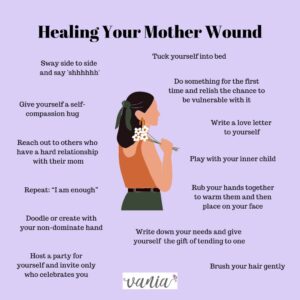
Therapy for anxiety is not just about symptom relief. It’s about reconnection—reconnecting with your needs, your inner voice, and your capacity for love and safety. Whether you’re healing a recent rupture or a childhood scar, you are not alone. Healing is possible, and you deserve it.
If you’re ready to begin therapy for anxiety, reach out to our team at Crystal Waters Counseling Centers. Let us walk alongside you on your path to healing.
Are You Ready to Begin Therapy for Anxiety in the Maryland area?
At Crystal Waters Counseling Centers, we will provide you with a safe and supportive space to be able to process life’s events. Our therapists will assist you in making efforts to move forward into peace from uncomfortable emotions and negative thinking patterns. We offer a person-centered holistic approach to meeting your counseling needs. To get started follow these simple steps.
- Reach out to Crystal Waters Counseling Centers
- Have your first appointment with an EMDR therapist in Columbia, MD.
- Start finding your peace and change your negative thinking.
Other Services at Crystal Waters Counseling Centers in the Baltimore & Washington D.C. Area
Our Columbia, MD-based therapy practice is conveniently located near Baltimore, MD and Washington D.C. We offer several mental health services to support you and your family. In addition to EMDR therapy, we also provide anxiety treatment, depression treatment, and counseling for college students. As well as parenting and educational consultation. Contact us today to get started!