


If you are considering therapy for your teenager, you may be asking one important question: What happens in teen therapy?
As a parent, you want clarity. You want reassurance. Most of all, you want to know you are making the right decision.
Teen therapy is not about labeling your child or blaming your parenting. It is about providing structured emotional support during one of the most complex stages of development. At Crystal Waters Counseling Centers, we provide compassionate and structured teen therapy in Baltimore designed to help adolescents build confidence, emotional regulation skills, and resilience.
This guide will walk you through exactly what happens in teen therapy so you can feel informed and empowered.
What Happens in Teen Therapy During the First Appointment?
The first session focuses on building comfort and understanding.
Many teens arrive feeling unsure or guarded. They may worry that therapy is a punishment or that they will be forced to talk about things they are not ready to share.
During the first appointment, the therapist will:
-
Explain confidentiality in clear terms

-
Clarify what information is shared with parents
-
Ask about school, friendships, and home life
-
Explore current stressors
-
Begin identifying therapy goals
Parents are usually included for part of the session to share concerns and provide background information. After that, the therapist spends time alone with the teen to begin building trust.
The first session is not about fixing everything. It is about creating safety.
What Happens in Teen Therapy in Ongoing Weekly Sessions?
After the intake phase, sessions become more structured and goal-oriented.
What happens in teen therapy each week depends on your teen’s needs, but most sessions include emotional skill-building, problem-solving, and reflection.
Building Emotional Awareness
Many teens struggle to identify or express what they are feeling. Emotions often come out as anger, withdrawal, or shutdown.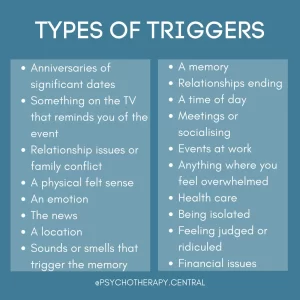
In therapy, teens learn how to:
-
Identify emotions accurately
-
Understand triggers
-
Express feelings safely
-
Manage frustration
-
Reduce overwhelm
These skills improve communication at home and confidence at school.
Using Cognitive Behavioral Therapy (CBT)
Cognitive Behavioral Therapy helps teens understand how thoughts affect feelings and behavior.
For example:
-
“I always mess up” may lead to anxiety and avoidance.
-
“Nobody likes me” may lead to sadness and isolation.
Through CBT, teens learn to challenge negative thinking patterns and replace them with more balanced thoughts. This approach is especially helpful in therapy for teen anxiety, depression, and low self-esteem.
Nervous System Regulation Skills
Today’s teens face constant stimulation and stress. Academic pressure, peer dynamics, and even social media exposure can overwhelm their nervous systems.
In sessions, teens may learn:
-
Breathing exercises
-
Grounding techniques
-
Body awareness tools
-
Stress-reduction strategies
These skills help them calm their bodies before emotions escalate.
This is particularly important when addressing issues connected to teen mental health and technology, where constant online exposure can heighten anxiety and comparison.
What Happens in Teen Therapy When Parents Are Involved?
Parents are an essential part of the process.
A common concern is: What happens in teen therapy if I’m not in the room?
Teen therapy balances privacy with parental collaboration.
Parent Check-Ins
Therapists schedule occasional check-ins to:
-
Share general progress themes
-
Provide parenting tools
-
Offer communication strategies
-
Discuss boundary setting
Specific session details remain confidential unless safety concerns arise. This balance helps teens build trust while keeping parents informed.
Parents are also encouraged to explore additional parent support resources when navigating behavioral or emotional challenges at home.
Family Sessions
When appropriate, family sessions may be recommended.
These sessions focus on:
-
Improving communication
-
Reducing conflict
-
Strengthening connection
-
Clarifying expectations
Family sessions are not about blame. They are about understanding patterns and building healthier dynamics together.

What Happens in Teen Therapy If My Teen Resists?
Resistance is normal.
Many teens initially say they do not want therapy. This does not mean therapy will not work.
Therapists are trained to:
-
Build trust gradually
-
Move at the teen’s pace
-
Use engaging approaches
-
Normalize hesitation
Even if your teen is quiet in the beginning, consistency helps build comfort over time.
What Happens in Teen Therapy When There Are Serious Concerns?
If your teen is experiencing:
-
Depression
-
Panic attacks
-
Self-harm thoughts
-
Aggressive behavior
-
Trauma symptoms
Therapy becomes more structured and safety-focused.
The therapist may:
-
Create a safety plan
-
Increase session frequency
-
Coordinate with parents
-
Recommend additional care if needed
Parents are immediately informed if safety is at risk. Protecting your teen’s well-being is always the priority.
What Happens in Teen Therapy Outside of the Office?
Therapy does not end when the session does.
Teens are often encouraged to practice skills between appointments, such as:
-
Using coping tools during stressful moments
-
Practicing healthy communication
-
Challenging negative thoughts
-
Setting small, achievable goals
Parents may also receive strategies to reinforce these tools at home.
The most meaningful growth happens when therapy skills are practiced in daily life.
What Happens in Teen Therapy and How Long Does It Last?
Every teen is different.
Some benefit from short-term therapy focused on a specific issue. Others need longer-term support for anxiety, trauma, or ongoing family stress.
Progress is reviewed regularly. Goals evolve as your teen grows.
There is no fixed timeline. Therapy is collaborative and individualized.
What Happens in Teen Therapy and How to Introduce the Idea to Your Teen
Understanding what happens in teen therapy is one thing. Talking to your teen about starting therapy is another.
How you introduce the idea matters.
Choose a Calm Moment
Avoid bringing up therapy during an argument. Pick a neutral time.
You might say:
“I’ve noticed you’ve seemed stressed lately. I want to make sure you have someone to talk to.”
Present Therapy as Support, Not Punishment
Avoid statements like:
“You need therapy because you keep acting out.”
Instead say:
“Sometimes talking to someone outside the family can make things easier.”
When therapy is framed as support, teens are more open.
Normalize the Experience
Remind your teen that many people go to therapy. It does not mean something is wrong.
You can explain:
“Therapy is just a place to learn tools and talk things through.”
Offer Some Choice
Teens value independence. When possible, involve them in decisions such as:
-
Choosing appointment times
-
Reviewing therapist profiles
-
Deciding between in-person or virtual sessions
Even small choices increase cooperation.
Reassure Them About Privacy
Teens often worry that everything they say will be reported back to parents.
Explain that therapy is mostly confidential unless there is a safety concern. This reassurance can reduce fear before the first session.
What Happens in Teen Therapy at Crystal Waters Counseling Centers?
At Crystal Waters Counseling Centers, our approach to teen therapy is:
-
Compassion-focused
-
Skills-based
-
Trauma-informed
-
Culturally responsive
-
Collaborative with families
We provide structured and supportive teen therapy in Baltimore for adolescents experiencing anxiety, depression, emotional regulation challenges, and family stress.
Our approach blends Cognitive Behavioral Therapy, compassion-focused techniques, and nervous system regulation tools to help teens develop emotional strength and confidence.
What Happens in Teen Therapy? The Long-Term Impact
When parents ask, “What happens in teen therapy?” they are often asking a deeper question:
Will this truly help my child?
Teen therapy helps adolescents:
-
Understand their emotions
-
Strengthen coping skills
-
Improve communication
-
Build self-confidence
-
Develop healthier relationships
Over time, families often notice improved mood, reduced conflict, and stronger connection.
Therapy is not about changing who your teen is. It is about helping them grow into who they are becoming.
Ready to Learn More About What Happens in Teen Therapy?
If you are exploring therapy for your teen, you do not have to navigate this decision alone.
At Crystal Waters Counseling Centers, we partner with families across Baltimore and Maryland to provide compassionate, structured support.
Contact us today to schedule a consultation and learn more about what happens in teen therapy and how we can support your family.
Ready to Learn More About What Happens in Teen Therapy?
If you are considering therapy for your teen, you do not have to make that decision alone.
At Crystal Waters Counseling Centers , we partner with families across Baltimore and Maryland to support teens in building emotional strength and resilience.
Our therapists are here to help you. We can help them learn valuable skills that will help them cope in healthy ways throughout their life. Follow these steps to get started.
- Reach out for a free consultation at our therapy practice
- Schedule your first appointment for therapy
- Then, learn how to navigate symptoms of anxiety, work through stressors and improve your overall quality of life
Other Therapy Services We Offer in Maryland & the Washington DC Area
At Crystal Waters Counseling Centers we offer a variety of in-person and online therapy services. Specifically, they are available for children, teens, college students, women, and adults throughout Maryland. In addition, this includes counseling for both anxiety and depression as well as EMDR Therapy, therapy for life transitions, and parent coaching.
Written by Diane Brumfield, M.Ed, LCPC-S, NCC – Clinical Director of Crystal Waters Counseling Centers, where she specializes in anxiety counseling, stress management, and trauma-informed somatic therapy.
Related Posts



Get in Touch
You don’t have to have it all figured out. You just need a place to begin.
Reach out today for more information about therapy.