What Is the Fawn Trauma Response?
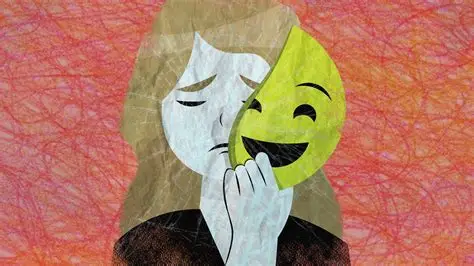
The fawn trauma response is a survival mechanism that develops in response to trauma, especially relational trauma. Unlike fight, flight, or freeze, the fawn response focuses on pleasing others to avoid conflict or danger.
People with a fawn response often: 
- Prioritize others’ needs over their own
- Struggle to say “no”
- Seek approval constantly
- Avoid conflict at all costs
This response often originates in childhood, when a person learned that pleasing others was the safest way to survive. Over time, it becomes a habitual pattern, impacting adult relationships, work, and self-esteem.
If you want to understand how trauma affects the nervous system more broadly, check out our pillar blog on how trauma affects the nervous system.
How the Fawn Trauma Response Develops
The fawn response typically develops in response to toxic or unsafe relationships, including:
- Emotionally unavailable or abusive parents
- High-conflict households
- Early experiences where speaking up led to punishment or neglect
Example:
A client named “Sophie” (not her real name) grew up in a household where disagreements triggered parental anger. She learned that agreeing and accommodating kept her safe. As an adult, Sophie found herself constantly people-pleasing at work and in friendships, even at the cost of her own mental health.
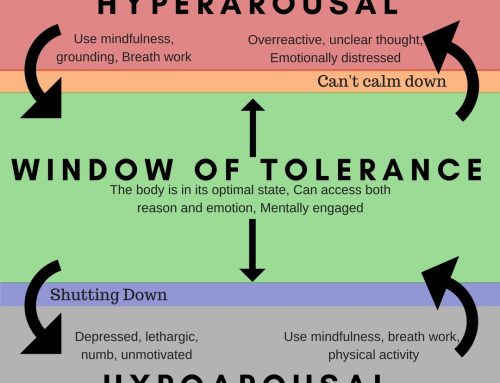
Neurologically, the fawn response is part of the nervous system’s trauma adaptation, narrowing the window of tolerance and keeping the body in a low-level state of stress.
Signs You Might Have a Fawn Trauma Response
Recognizing fawn patterns is the first step in healing. Common signs include:
- Difficulty asserting boundaries

- Feeling guilty for expressing needs
- People-pleasing in work, friendships, or romantic relationships
- Avoiding conflict even when necessary
- Sacrificing your own values to maintain peace
If you notice these patterns in your life, it’s not a personal flaw—it’s a nervous system adaptation from trauma. Therapy can help re-train your nervous system to respond safely without automatic people-pleasing.
Fawn Response vs. Other Trauma Responses
The fawn trauma response is less talked about than fight, flight, or freeze, but it’s just as common. Here’s how it compares:
| Trauma Response | Typical Behavior | Nervous System State |
|---|---|---|
| Fight | Aggressive, confrontational | Hyperarousal |
| Flight | Avoidant, running from stress | Hyperarousal |
| Freeze | Shutdown, dissociation | Hypoarousal |
| Fawn | People-pleasing, conflict avoidance | Mixed; often hypervigilant but socially compliant |
Understanding your pattern helps reduce shame and supports self-regulation, which you can learn through trauma therapy in Baltimore.
How Fawn Trauma Response Impacts Relationships
Fawn patterns can affect relationships in subtle but powerful ways:
- Romantic relationships: Difficulty expressing needs, staying in unhealthy relationships
- Friendships: Overextending yourself to avoid rejection
- Work: Overworking, fear of saying “no,” or seeking approval constantly
- Parenting: Prioritizing children’s or partner’s needs while neglecting self-care
Case Example:
“Daniel,” a client, noticed he never expressed disagreement with his partner, even when boundaries were crossed. Therapy helped him recognize the fawn pattern and practice assertion exercises safely, gradually expanding his ability to engage authentically.
Why Fawn Patterns Persist Into Adulthood
Even after leaving the traumatic environment, the fawn response may persist because:
- The nervous system remains conditioned to survive via compliance
- People-pleasing becomes a habit reinforced by social or professional approval
- Self-worth becomes tied to external validation
Addressing these patterns requires both self-awareness and practical therapy tools.
Strategies to Heal the Fawn Trauma Response
Healing from the fawn response involves building self-awareness, self-compassion, and safe assertiveness.
1. Nervous System Regulation
Learning to regulate the nervous system reduces automatic compliance:
- Slow breathing and grounding exercises
- Body scanning to notice tension or avoidance
- Mindful movement to release stored stress
Explore Window of Tolerance techniques to identify when your nervous system is triggering people-pleasing behavior.
2. Therapy for Boundaries
Working with a trauma therapist can help you:
- Identify and set healthy boundaries
- Practice saying “no” in safe contexts
- Recognize triggers that activate fawn responses
3. Journaling and Reflection
- Track when you comply automatically
- Note your emotions and physical reactions
- Reflect on whether the response is necessary or habitual
4. Self-Compassion Practice
- Acknowledge survival adaptations without judgment
- Reframe people-pleasing as a learned survival skill, not a flaw
Rebuilding Authenticity After Fawn Trauma Response
As clients practice regulation and boundary-setting, they often notice:
- Improved relationships
- Reduced anxiety around conflict
- Greater emotional resilience
- Increased self-esteem
Case Example:
“Sara” learned to pause before automatically agreeing to requests. She practiced stating her needs clearly, noticing her body’s cues when she felt nervous. Over time, she felt more confident and authentic in relationships.
Frequently Asked Questions About Fawn Trauma Response
Is the fawn response common?
Yes, especially in adults who grew up in relational trauma. Many people experience it without realizing it.
Can I change fawn behaviors?
Absolutely. Therapy and self-awareness strategies can retrain the nervous system to respond safely instead of automatically pleasing.
Does fawn response mean I’m weak?
No. It’s a protective survival mechanism, not a character flaw.
How long does it take to heal fawn patterns?
Results vary. Some clients notice improvements in weeks, others over months, depending on trauma history and consistency of practice.
Start Healing Your Fawn Trauma Response
If you notice patterns of people-pleasing, conflict avoidance, or boundary struggles, your nervous system may be in fawn mode due to relational trauma.
If you want to get additional support then we can help. Our therapists are here to help you. We can help them learn valuable skills that will help them cope in healthy ways throughout their life. Follow these steps to get started.
- Reach out for a free consultation at our therapy practice
- Schedule your first appointment for therapy
- Then, learn how to navigate symptoms of anxiety, work through stressors and improve your overall quality of life
Other Therapy Services We Offer in Maryland & the Washington DC Area
At Crystal Waters Counseling Centers we offer a variety of in-person and online therapy services. Specifically, they are available for children, teens, college students, women, and adults throughout Maryland. In addition, this includes counseling for both anxiety and depression as well as EMDR Therapy, therapy for life transitions, and parent coaching.
Written by Diane Brumfield, M.Ed, LCPC-S, NCC – Clinical Director of Crystal Waters Counseling Centers, where she specializes in anxiety counseling, stress management, and trauma-informed somatic therapy.