


Introduction: Breaking the Silence Around Menopause
For many women, perimenopause and menopause arrive like an uninvited guest—quiet at first, then disrupting everything from sleep and emotions to self-identity and relationships. This isn’t just a “change of life.” It’s a profound transformation that touches every aspect of who a woman is—physically, emotionally, mentally, and spiritually.
Yet too often, this transition is misunderstood, minimized, or endured in silence. Women are told to “push through,” “deal with it,” or accept symptoms as a natural part of aging. In reality, perimenopause and menopause deserve recognition as a major health transition, one that can significantly impact mental health, relationships, and quality of life.
In this blog, we’ll explore the multidimensional impact of perimenopause and menopause and highlight how women can find relief, support, and empowerment through menoupause therapy, holistic care, and intentional self-discovery.
What Are Perimenopause and Menopause?
Defining Perimenopause
Perimenopause is the transitional period leading up to menopause, often beginning in a woman’s late 30s or 40s. This stage can last anywhere from four to ten years. During this time, the ovaries gradually produce less estrogen and progesterone, leading to irregular cycles and a variety of symptoms.
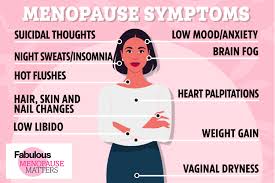
Symptoms may include:
-
Irregular or heavier periods
-
Hot flashes and night sweats
-
Sleep disturbances
-
Mood swings and irritability
-
Vaginal dryness
-
Fatigue and brain fog
Defining Menopause
Menopause is officially diagnosed when a woman has gone 12 consecutive months without a menstrual period. It typically occurs between ages 45 and 55, though some women experience it earlier due to genetics, medical treatments, or surgical removal of the ovaries.
Once menopause is reached, estrogen and progesterone levels remain low, and some symptoms of perimenopause continue—though their intensity may vary.
Beyond the Basics: Early and Surgical Menopause
It’s also important to acknowledge women who experience early menopause (before age 40) or surgical menopause due to hysterectomy or oophorectomy. For these women, the transition can feel abrupt and may carry a stronger emotional and physical impact because of the sudden hormonal drop.
The Mental and Emotional Toll
Mental Health Impact & The Possible Need of Menopause Therapy
Hormonal fluctuations during perimenopause and menopause directly affect neurotransmitters like serotonin and dopamine, which regulate mood and cognition. Research suggests that women in midlife are at increased risk for anxiety, depression, and mood instability.
Common mental health challenges include:
-
Increased anxiety – Restlessness, worry, or panic attacks may emerge, even in women with no prior history of anxiety.
-
Depressive symptoms – Low mood, hopelessness, or loss of interest in daily activities.
-
Cognitive changes – Brain fog, memory lapses, and difficulty concentrating are frequently reported.
-
Sleep disruption – Poor sleep can exacerbate depression and anxiety.
The National Institute on Aging notes that about 20% of women experience depression during perimenopause, underscoring the importance of mental health support during this stage.
Emotional Health
The emotional toll is often underestimated. For many women, menopause represents loss—of fertility, youth, energy, or clarity. Emotional changes can include:
-
Irritability or emotional sensitivity
-
Feelings of invisibility in society
-
Grief over aging and shifting roles
-
Frustration with loss of control over the body
This transition can also bring up unresolved trauma, identity struggles, or cultural expectations about what it means to be an “aging woman.”
Counseling can help women process these emotions, validate their experiences, and rediscover strength during this season.
The Physical Changes That Disrupt Daily Life
Menopause is not only about reproductive changes—it affects the entire body.
-
Hot flashes & night sweats: Affect up to 75% of women, often leading to chronic fatigue.
-
Weight gain: Especially around the midsection, due to slowed metabolism and hormonal changes.
-
Sleep problems: Insomnia or frequent waking is common.
-
Skin & hair changes: Thinning hair, dry skin, and changes in texture or elasticity.
-
Joint pain: Declining estrogen contributes to inflammation and stiffness.
-
Sexual health: Vaginal dryness, painful intimacy, and lowered libido can strain relationships.
These are not simply “cosmetic issues.” They impact confidence, intimacy, and how a woman feels in her body. Therapy can provide a space to process the frustration and grief that often accompany these physical shifts.

The Spiritual and Identity Shift
Menopause often arrives during midlife, a season when many women are already asking deep questions:
-
Who am I beyond motherhood, career, or caretaking?
-
How do I embrace aging with dignity instead of shame?
-
What legacy do I want to leave?
For some, this period becomes a spiritual crossroads. While it can trigger grief, it can also open the door to renewal—a chance to redefine purpose, priorities, and self-worth. Journaling, mindfulness, and therapy often help women embrace this transition as an unfolding rather than an ending.
How Menopause Affects the People in a Woman’s Life
Menopause doesn’t happen in isolation—it affects relationships at every level.
-
Partners may feel confused or distanced by mood changes, loss of intimacy, or emotional withdrawal.
-
Children (especially teens) may mirror a mother’s emotional ups and downs, creating household tension.
-
Work relationships can suffer when symptoms like fatigue or forgetfulness are misinterpreted as laziness or incompetence.
-
Friendships may deepen when experiences are shared, but they may also drift if misunderstood.
Open communication and education are critical. Many women find that family therapy or couples counseling helps bridge these gaps.
Therapeutic Treatment Options: Managing Menopause with Care
Menopause therapy provides tools that honor the emotional, mental, and relational impact of menopause.
Cognitive Behavioral Therapy (CBT)
-
Helps reframe negative thought patterns.
-
Proven effective in reducing hot flash distress, insomnia, and depression.
Mindfulness-Based Therapy
-
Meditation, breathwork, and body awareness reduce stress.
-
Helps women accept change with grace rather than resistance.
Trauma-Informed Therapy
-
Recognizes that menopause can re-trigger past wounds.
-
Creates a safe space for healing.
Group Counseling or Women’s Circles
-
Normalizes the experience through shared stories.
-
Builds empowerment and reduces isolation.
If you’re seeking support, consider Anxiety Counseling in Maryland or Trauma-Informed Therapy as part of your care.
Lifestyle and Holistic Approaches
Therapy works best when paired with holistic self-care strategies.
-
Nutrition: Foods rich in phytoestrogens (soy, flax, legumes) may support hormonal balance.
 Supplements like magnesium and omega-3s can ease mood swings.
 -
Exercise: Strength training preserves bone density, while yoga and walking reduce stress and improve flexibility.
-
Sleep hygiene: Limit screens before bed, create a cool environment, and establish a calming bedtime routine.
-
Mind-body practices: Tai chi, breathwork, and meditation build resilience.
These approaches not only ease symptoms but also empower women to feel in control of their bodies again.
Why Is Menopause Education and Menoupause Therapy So Rarely Discussed?
Despite affecting every woman who lives long enough, menopause remains under-discussed.
Cultural Silence Around Aging Women
Women’s value has historically been tied to youth, beauty, and fertility. Once past childbearing years, society often treats women as “less relevant.” This stigma discourages open conversations.
Medical System Gaps
Most providers receive minimal training in menopause. Women are often misdiagnosed with depression or anxiety unrelated to hormonal shifts. Too often, they are told to “just deal with it.”
Generational Taboo
Our mothers and grandmothers rarely spoke about menopause, reinforcing a culture of secrecy and shame.
Mental Health Stigma in Midlife
Society expects women to be “settled” and strong in midlife, leaving little room to discuss struggles like burnout, marital stress, or hormonal mood swings.
Menopause Thearpy: Breaking the Silence, Reclaiming the Narrative
Talking about menopause openly allows women to:
-
Seek help without shame.
-
Equip providers to recognize symptoms.
-
Create sisterhood through shared experiences.
-
Redefine aging as a season of wisdom and empowerment.
When women reclaim the narrative, menopause becomes not a downfall but a rite of passage.
Coping Strategies for Navigating Menopause
-
Build a support system: Therapy, women’s groups, or trusted friends.

-
Practice self-compassion: Acknowledge that change is challenging but temporary.
-
Communicate openly: Share what you’re experiencing with loved ones.
-
Seek professional help: Consider Women’s Therapy & Counseling for tailored support.
-
Prioritize rest: Sleep is foundational for mental health.
-
Stay active: Even gentle movement supports emotional regulation.
FAQs: Perimenopause, Menopause, and Therapy
Q1: What age does perimenopause usually start?
Perimenopause often begins in the late 30s or early 40s, though symptoms vary.
Q2: How long does menopause last?
Menopause itself is one point in time, but perimenopause can last up to 10 years.
Q3: Can therapy help with hot flashes and mood swings?
Yes. CBT and mindfulness therapies reduce hot flash distress and support emotional balance.
Q4: Is hormone replacement therapy (HRT) safe?
HRT can be effective but carries risks. Always consult a healthcare provider.
Q5: How do I know if my depression is menopause-related?
If mood changes coincide with cycle irregularities or other symptoms, hormones may be a factor. A therapist can help untangle the overlap.
Q6: What natural remedies actually work?
Phytoestrogens, magnesium, and mindfulness practices show promising benefits.
Q7: How can counseling support me during menopause?
Counseling validates your experience, teaches coping skills, and helps manage relationship changes.
Q8: What role does diet and exercise play in symptom management?
Both are critical in reducing fatigue, stabilizing mood, and maintaining bone and heart health.
Words of Encouragement
If you’re navigating perimenopause or menopause, remember:
You are not unraveling—you are unfolding.
Your wisdom is not lost—it is being reshaped.
This stage of life is not an ending—it’s an invitation to deeper strength.

You Deserve Support
Whether you seek therapy, medical care, sisterhood, or self-reflection, you deserve support and validation. At Crystal Waters Counseling Centers, we offer compassionate spaces for women to process, reconnect with strength, and find healing in transition, as well as menopause therapy.
In addition to menopuase therapy, Crystal Waters Counseling Centers we offer a variety of in-person and online therapy services. They are available for children, teens, college students, women, and adults throughout Maryland. This includes counseling for both anxiety and depression. As well as EMDR Therapy, therapy for life transitions, and parent coaching.
Additional Services We Offer:
In addition to menopause therapy, we also offer:
- Depression counseling
- EMDR therapy
- Therapy for life transitions
- Parent support and coaching
- College student mental health support