


In an age defined by constant news alerts, political polarization, and societal upheaval, it’s increasingly

common to feel emotionally overwhelmed. Many individuals experience distress not just from direct experiences, but also through the pervasive political discourse that floods social media and traditional news. Whether you’re personally affected by political policies or witnessing divisive rhetoric from afar, these stressors can trigger intense emotional responses and even reawaken past traumas.
Understanding how to manage these reactions is critical. By learning strategies to cope with political trauma, individuals can safeguard their mental health while still remaining informed and engaged citizens. This comprehensive guide will help you identify political trauma, understand its effects on the mind and body, and provide evidence-based tools for maintaining emotional stability.
Understanding Political Trauma
Political trauma is the psychological and emotional stress that arises from government actions, social movements, or societal conflicts. It may manifest as direct trauma, such as personal experiences of discrimination, harassment, or loss due to political decisions, or indirect trauma, which occurs through exposure to distressing news, social media discussions, or hearing stories of others’ hardships.
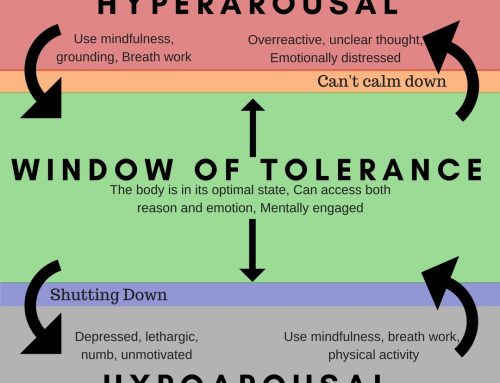
Unlike traditional trauma, which often stems from singular events like accidents or abuse, political trauma is chronic and ongoing. The constant exposure to fear-inducing headlines, conflicting opinions, and societal instability can lead to a prolonged state of anxiety and hypervigilance.
Common Symptoms of Political Trauma Include:
-
Anxiety or panic attacks

-
Difficulty sleeping or insomnia
-
Hypervigilance and constant scanning for threats
-
Emotional exhaustion, numbness, or detachment
-
Hopelessness or feelings of helplessness
-
Intrusive memories or flashbacks related to past trauma
Recognizing these symptoms is the first step in addressing political trauma. Acknowledging that your reactions are valid—and that you are not alone—is essential for self-compassion and healing.
How Political Trauma Affects Mental Health
Chronic exposure to political stressors impacts both mental and physical health. Prolonged anxiety can trigger hormonal imbalances, increase inflammation, and exacerbate pre-existing conditions like high blood pressure or depression. Psychologically, persistent political stress can intensify negative thought patterns, heighten emotional reactivity, and contribute to burnout.
Even vicarious trauma—feeling the effects of others’ traumatic experiences—can be damaging. For instance, constantly consuming content about societal injustices or violent events may lead to compassion fatigue, a state of emotional exhaustion that reduces your ability to empathize or take action.
Understanding these dynamics allows you to implement strategies that both protect your mental health and empower you to respond constructively to political stressors. For ongoing trauma support, our trauma-informed therapy services can provide guidance tailored to your needs.
Coping Strategies for Navigating Political Trauma
Managing political trauma requires both immediate relief techniques and long-term strategies that support resilience. Here are practical tools to incorporate into daily life:
1. Limit News and Social Media Exposure
While staying informed is important, excessive consumption of news—especially from social media—can fuel anxiety. Studies have shown that repeated exposure to negative headlines increases stress hormone levels and exacerbates trauma symptoms.
Tips to Stay Informed Without Overwhelm:
-
Set designated times to check news, such as once in the morning and once in the evening.

-
Unfollow accounts that consistently provoke anxiety or anger.
-
Prioritize trusted sources and avoid sensationalized media.
-
Consider “news fasting” on weekends to recharge mentally.
Remember: staying informed does not mean being constantly connected. Setting boundaries around media consumption is a form of self-care.
2. Ground Yourself in the Present
Grounding techniques help shift your focus from fear-inducing thoughts to your immediate environment, calming the nervous system.
Effective Grounding Exercises:
-
5-4-3-2-1 Exercise: Identify 5 things you can see, 4 things you can touch, 3 things you can hear, 2 things you can smell, and 1 thing you can taste.
-
Deep Breathing: Inhale for 4 seconds, hold for 7, exhale for 8. Repeat until your heart rate slows.
-
Use Grounding Objects: Keep a stone, essential oil, or small meaningful item nearby to reconnect to the present.
-
Earthing: Place your bare feet on the soil or grass to activate parasympathetic nervous system responses that promote relaxation and healing.
These practices can be done anytime, whether during news exposure or moments of anxiety triggered by political discussions. For more techniques, see our trauma therapy resources.
3. Prioritize Connection
Isolation often amplifies trauma. Building and maintaining supportive connections can buffer against stress and provide validation.
Ways to Foster Connection:
-
Reach out to friends and family for open, nonjudgmental conversations.
-
Join support groups or online communities focused on political trauma and mental health.
-
Share coping strategies and personal experiences with others who understand the emotional weight of political events.
Even brief, meaningful interactions can reduce feelings of hopelessness and reinforce emotional stability. Consider joining a supportive therapy group.

4. Practice Self-Compassion
During politically turbulent times, you may feel guilt for enjoying life or taking breaks from news consumption. Trauma often triggers self-criticism, but self-compassion is vital for resilience.
Self-Compassion Techniques:
-
Speak to yourself kindly, as you would to a friend experiencing similar stress.
-
Recognize that needing rest does not equate to disengagement from important issues.
-
Use journaling to explore feelings without judgment, helping process emotions constructively.
Self-compassion allows you to maintain mental clarity and prevents burnout while staying engaged with the world around you. Learn more in our self-compassion exercises.
5. Engage in Empowering Action
Hopelessness is a hallmark of trauma. Taking meaningful action can help restore a sense of control.
Constructive Ways to Act:
-
Volunteer or Donate: Support causes aligned with your values. Even small contributions can make a difference.
-
Advocacy: Participate in local initiatives or join advocacy groups to influence change.
-
Voting: Engage in the democratic process and encourage others to do the same.
-
Set Boundaries: Protect your energy by avoiding political discussions that escalate stress, especially on social media.
By focusing on actionable steps, you transform feelings of helplessness into empowerment.
6. Incorporate Mind-Body Practices
Political trauma affects not just your mind but your body. Integrating mind-body techniques can alleviate physical tension and emotional stress.
Suggested Practices:
-
Yoga or Tai Chi: Slow, mindful movements reduce anxiety and promote emotional regulation.
-
Meditation or Mindfulness: Daily practice enhances awareness of thoughts and emotions without judgment.
-
Progressive Muscle Relaxation: Sequentially tense and relax muscle groups to release stored stress.
-
Nature Therapy: Spending time outdoors improves mood, reduces stress hormones, and strengthens overall well-being.
These practices complement traditional coping strategies and enhance resilience over time. Visit our anxiety counseling page for guidance on stress-reduction techniques.
7. Seek Professional Support
If trauma symptoms interfere with daily functioning, seeking professional help is essential. Trauma-informed therapists understand the psychological impact of political stressors and can offer tailored strategies for healing.
Therapy Options:
-
Individual Therapy: Personalized guidance to process trauma and develop coping skills.
-
Group Therapy: Share experiences with others facing similar challenges.
-
Teletherapy: Convenient access to mental health support from home, particularly valuable during high-stress periods.
Professional support ensures that you are not navigating trauma alone and accelerates recovery. Explore our trauma-informed therapy services for more information.

Long-Term Strategies for Political Resilience
Beyond immediate coping, cultivating long-term resilience is crucial for managing ongoing political stress.
-
Develop Emotional Awareness: Track your emotional responses to political news to recognize triggers and patterns.
-
Cultivate Critical Media Literacy: Learn to evaluate sources, detect misinformation, and engage critically without overexposure.
-
Practice Gratitude: Daily reflections on positive aspects of life can counterbalance negative political news.
-
Engage in Creative Expression: Art, writing, or music can provide therapeutic outlets for processing emotions.
-
Foster Community Involvement: Join local groups that focus on solutions rather than problems to feel empowered and connected.
Sustained practices like these help maintain mental health, even when political events remain stressful. Learn more on our parent resources page for family-centered strategies.
Balancing Awareness and Well-Being
It’s a common misconception that protecting your mental health means disengaging from political realities. In truth, cultivating balance allows you to remain informed while preserving emotional and psychological stability. Setting boundaries, practicing grounding techniques, and seeking professional support ensures that you can engage with the world thoughtfully rather than reactively.
For guidance on managing daily stress, visit our anxiety counseling resources.
Healing Through Knowledge and Reflection
Exploring the psychological impact of political events provides insight into personal responses and societal dynamics. Books and resources on trauma, resilience, and political psychology offer guidance and validation.
Recommended Resources:
-
The Body Keeps the Score: Brain, Mind, and Body in the Healing of Trauma by Bessel van der Kolk
-
Homecoming: Overcome Fear and Trauma to Reclaim Your Whole Authentic Self by Dr. Thema Bryant
-
Let Them Theory and 5 Second Rule by Mel Robbins
Engaging with these resources enhances understanding and equips individuals with practical strategies for recovery.
Frequently Asked Questions (FAQs)
Q: Can political events cause long-term trauma?
A: Yes. Chronic exposure to distressing political news or experiences of discrimination can create long-lasting psychological effects similar to other forms of trauma.
Q: How do I know if I need professional help?
A: If anxiety, insomnia, emotional exhaustion, or hopelessness interfere with daily functioning, it’s a sign to seek trauma-informed therapy or counseling. See trauma therapy services.
Q: Is limiting news consumption considered avoidance?
A: No. Mindfully setting boundaries around media consumption is a protective strategy, not avoidance. It ensures you stay informed without overwhelming your nervous system.
Q: How can I support friends experiencing political trauma?
A: Listen nonjudgmentally, validate their feelings, encourage grounding practices, and suggest professional support if symptoms are severe.
Final Thoughts: You Deserve Peace
The current political climate may feel relentless, but safeguarding your mental and emotional well-being is not optional—it’s essential. Prioritize what grounds you, connect with supportive communities, and give yourself permission to unplug when needed. Healing does not mean disengagement; it means building resilience, maintaining clarity, and showing up for yourself and others from a place of strength.
By integrating coping strategies, grounding techniques, mind-body practices, and professional support, you can navigate political trauma with balance and empowerment. Remember: your mental health is worth protecting, and taking care of yourself ensures you remain an effective, compassionate, and informed participant in society.
Are You Ready To Start Therapy in Baltimore, MD?
If you are ready to gain support and address your college depression and anxiety then Crystal Waters Counseling Centers is here for you. Our Maryland therapist will help you process the changes in your environment and address the cause of your stress. Your years at college can be full of fun and new opportunities that will lead to lasting happy memories. In order to start the process of getting the support, you need to get there follow these simple steps.
- Reach out and schedule your free consultation with a therapist.
- Make your first appointment at our Baltimore area therapy practice
- Start living with less stress so you can enjoy this time in your life
Additional Services We Offer in the Washington D.C. Area
We offer services online throughout Maryland or in person at our Columbia, MD-based counseling practice. With options for all adults, women, teens, children, and parents. Such as anxiety treatment, depression treatment, EMDR Therapy, and therapy for life transitions. We look forward to supporting you.
Related Posts



Get in Touch
You don’t have to have it all figured out. You just need a place to begin.
Reach out today for more information about therapy.